The arrival of Dieter Wislizeny and Alois Brunner marked the final steps of the Operation Rosenberg, so named after Alfred Rosenberg, a Nazi theorist and head of the foreign-affairs department. Rosenberg considered Thessaloniki an important Jewish center, a city characterized by the cosmopolitanism and economic power of its Jewish people. The operation was characterized by the looting of properties, cultural centercenters and synagogues, the shutting down of the stores, newspapers and various institutions, the requisition of houses and Jewish hospital which were used by the Nazi army. The final act of the operation dictated the registration of the population, the order to wear the yellow star, not to ride on the tramway, not to use the telephone, not to walk in the streets at night, and finally the creation of two ghettos, into which the Jews were obliged to move.
2. Baron Hirsch ghetto
Stories

Operation Rosenberg
Life in the Ghetto
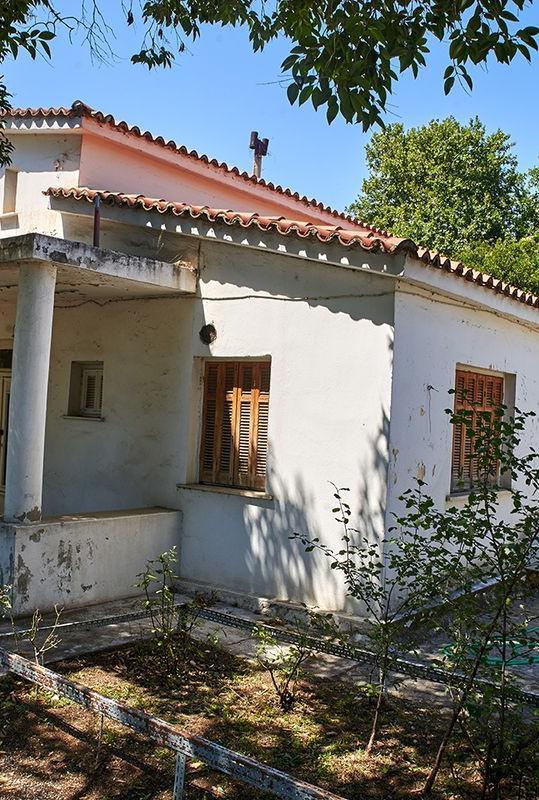
Two ghettos were constructed in the city. One was located in the eastern part of the city, and the other by the old railway station in the western Jewish quarter named after Baron de Hirsch In the Baron de Hirsch ghetto, Jews were gathered to be readied for transportation to the Nazi death camps. The ghettos were closed off, and only with a special permission anyone could exit. They were fenced and guarded by a special Jewish unit and by the Greek police. The living conditions were extremely difficult since anxiety, poverty and hunger reigned, obliging people to sell their personal belongings for a small amount of food or money. The only contact with the outside world was the exchange of letters. Surprisingly, during the stay in the ghetto, a significant number of marriages took place since there was a rumor that upon their arrival in Poland the married couples would be given their own houses.
Baron de Hirsch
In 1890 a great fire broke out in Thessaloniki. It caused major damages to properties, leaving 15.000 homeless including a considerable number of Jewish people. The Jews affected by the fire of 1890 found a new home in the district which was designed and built thanks to collective funding from the Jewish community, and to the financial support of Baroness Clara de Hirsch. The Baroness, widow of Baron Maurice de Hirsch, also donated a considerable amount in golden francs for the construction of a Jewish hospital that was finally inaugurated in 1908. In 1931, the fire that destroyed the Campbell quarter, considered an act of antisemitism, forced the expelled Jewish families to move to the Baron de Hirsch district. By 1943, the district had 173 little houses in which 285 families lived.

Powered by Clio Muse Tours